

Canadian Real Estate Investing in 2026: Cash Flow, AI, and Where Smart Investors Are Looking Now
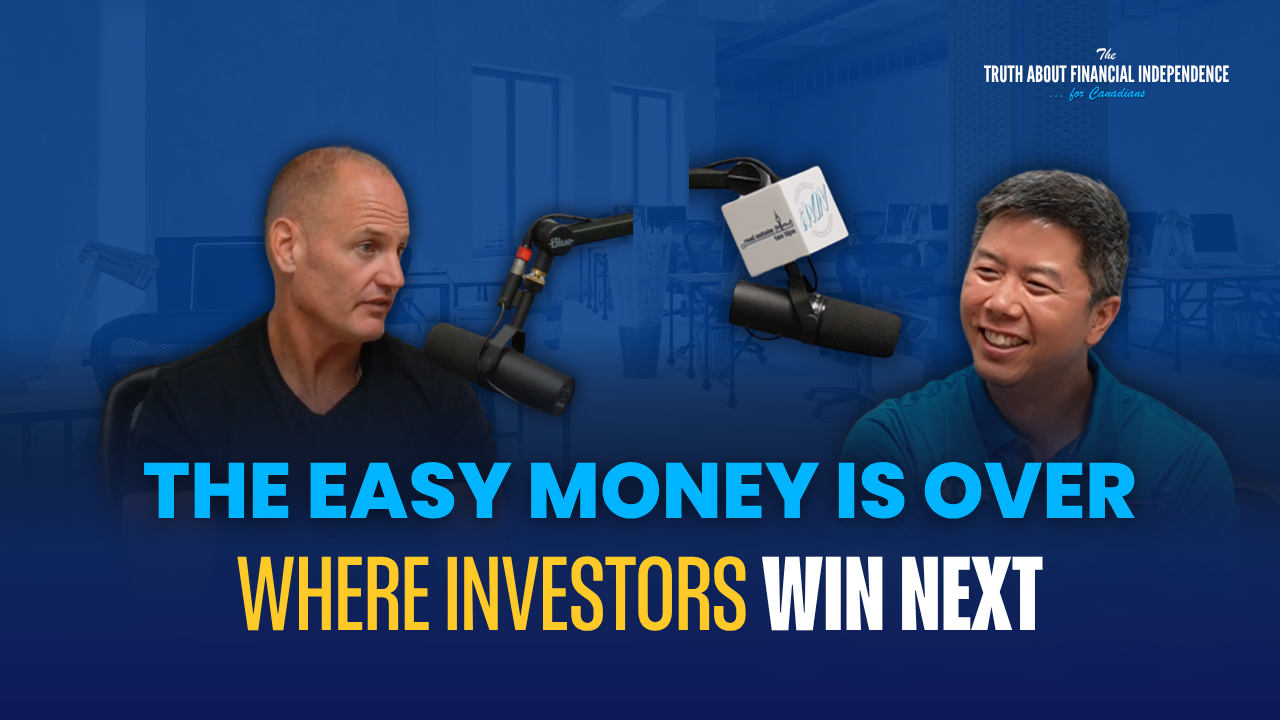
By Erwin Szeto | Co-Founder, iWIN Wealth Planning
Recorded: October 2026
Host: Erwin Szeto, The Truth About Financial Independence for Canadians
Guests: Nick Karadza, co-founder of Rock Star Real Estate
There was a time when Canadian real estate investing felt simple.
Buy a good property, rent it out, refinance when values rose, and repeat. For years, that playbook worked for a lot of investors.
But that is not the market we are in today.
In my recent conversation with Nick Karadza, co-founder of Rock Star Real Estate, the theme that kept coming up was uncertainty. Investors are still interested. They still know they should be doing something. But many are hesitating because the broader economy feels unclear.
Nick hears it from investors, business owners, contractors, and people inside his own network. There are quotes out there. There are conversations happening. There is interest. But when it comes time to make a major commitment, many people are saying, “not right now.”
That hesitation makes sense. Real estate is not as liquid as a stock portfolio. You cannot click a button and sell a duplex if you suddenly want your capital back. So in a choppy economy, investors are naturally being more selective.
But selective does not mean inactive.
Opportunity has not disappeared. It has changed.
One of the biggest takeaways from the conversation is that opportunity is still there, but investors need to look at the right fundamentals.
Nick talked about how, twenty years ago, Hamilton made sense because the numbers worked. Prices were lower than Toronto, rents made sense relative to the purchase price, and it was reasonable to expect spillover demand as people were priced farther out of the GTA.
At the time, some people thought investing in Hamilton was crazy. Today, many of those same fundamentals are showing up in different ways: small development, infill, secondary suites, garden suites, and student rentals near strong schools.
The market is no longer about buying anything and hoping appreciation bails you out. It is about finding where demand is durable, where rents are real, where the numbers are conservative, and where the asset can survive if the market grinds sideways.
Cash flow is back in focus
For a long time, many investors became used to making money from refinancing, rapid appreciation, and short-term gains. Nick’s view is that those days are likely gone for the foreseeable future.
That does not mean real estate is dead. It means the old-school fundamentals matter again.
Can the property pay for itself over time? Can tenants help reduce the mortgage? Is the rent supported by real demand? Are there multiple exits if the original plan changes?
Nick described this as owning a self-liquidating asset. It may not be sexy. It may not produce a six-month home run. But if the property covers its expenses, pays down debt, and benefits from long-term appreciation, the math can still be compelling.
The everyday investor still has options
Not everyone wants to become a developer. Not everyone wants to tear down a house and build townhomes. And not everyone should.
But Nick pointed out that investors do not have to play at that level to find opportunity. Smaller projects can still work: adding a basement suite, adding a garden suite, buying a single-family property that cash flows modestly, or buying a student rental near a strong university with durable demand.
Student rentals came up as a particularly interesting example. Some investors are nervous because of the drop in international student enrollment. But Nick made an important distinction: the biggest impact is being felt by secondary and tertiary colleges that relied heavily on international student growth. Established schools such as McMaster, Western, and Queen’s are a different conversation.
As always, it comes down to the specific property, the specific market, the quality of the housing, and the investor’s ability to manage the risk.
AI is now part of the investor toolkit
The conversation also moved beyond real estate into AI, business, and how quickly the world is changing.
Nick’s view is that AI is like the internet or online banking in the early days. Some people resisted it. Some people did not understand it. But over time, the people who learned how to use it gained a major advantage.
The warning is not to outsource your thinking. AI can summarize, research, prepare, and automate. But investors still need judgment. They still need to verify numbers. They still need to understand the assumptions behind the answer.
The real goal is still freedom
One of the reasons Nick’s Your Life, Your Terms philosophy resonates is because it is not really about real estate for real estate’s sake. Real estate is a vehicle. Investing is a vehicle. Business is a vehicle.
The goal is to build a life with more control, more options, and more resilience.
That is why the conversation covered more than just properties. It touched on macroeconomics, AI, community, health, estate planning, jurisdictional risk, and the importance of surrounding yourself with people who are actively figuring things out.
In weird times, isolation is expensive. Good information, good people, and clear thinking matter more than ever.
Listen Here:
What Canada’s Most Connected Real Estate Investors Are Seeing Right Now
A market driven by uncertainty
Canadian investors are interested, but many remain hesitant to make large commitments. Nick argues that investors should stop waiting for perfect certainty and instead evaluate probabilities, local demand and downside protection.
Cash flow matters again
The episode returns repeatedly to self-liquidating assets, conservative assumptions and holding periods long enough for tenants to reduce mortgage debt. The goal is not a quick refinance. It is an asset that can survive different market conditions.
Opportunity is local and strategy-specific
Secondary suites, garden suites, infill development and student rentals can still work, but not everywhere. Nick emphasizes established schools, durable employment, realistic rents, appraisal support and multiple exit strategies.
Why Nick’s perspective carries weight
Rock Star Real Estate serves more than 1,000 paying members across Canada, giving Nick visibility into live investor decisions and local market conditions. The community’s longevity also provides context across multiple real estate cycles.
AI is changing investor operations
AI can accelerate research, meeting recall and repetitive business tasks. The episode also warns investors to verify AI-generated numbers and preserve independent judgment.
Join the conversation in Mississauga
The Your Life, Your Terms Event takes place Saturday, October 17, from 8:15 a.m. to 2:00 p.m. in Mississauga, Ontario. Erwin Szeto will be speaking, and event details are available at YourLifeYourTermsEvent.com.
To Listen
Apple: https://podcasts.apple.com/ca/podcast/what-canadas-most-connected-real-estate-investors-
Register for the Next Zero Down Wealth Strategy Events
If you’re looking for ways to build wealth more intentionally, create more passive income, and explore strategies beyond buying another rental property, join us at the next Zero Down Wealth Strategy event.
We’re hosting two upcoming sessions:
- Tuesday, October 27th– 8:00pm ET.
- Saturday November 7th, Hybrid (Oakville + Zoom) — 9:00am ET, hard stop 10:30am. In-person seats are capped at 40 and they always go. If you want to be in the room, register today.
We’ll walk through how investment loans, segregated funds, and proper planning can help qualified investors use leverage more strategically while keeping their long-term goals in focus.
You’ve Built Wealth. Now It’s Time to Understand It.
After dozens of consultations, I’ve noticed the same pattern again and again: most investors have built real wealth, but they’re not confident they can retire from it. They’re sitting on $2M–$5M in property but feel cash-flow poor. They’re paying more tax than they should because everything is held in personal names. They have no liquidity, no insurance strategy, and no clear plan for what happens if something happens to them. And almost every single client tells me the same thing: “I don’t actually know what retirement looks like for us.”
Real estate builds equity, but it doesn’t automatically build freedom. Without a coordinated plan for taxes, income, protection, and exit strategy, investors often end up working harder in retirement than they did in their 30s. That’s why I created the Wealth Freedom Blueprint – a simple, practical guide to help you understand where you stand today, what gaps are costing you money, and how to turn the wealth you’ve built into a life you can actually live.
Download your free Wealth Freedom Blueprint
Disclaimer:
As a committed advocate for transparent and responsible investing, I disclose that I am an Advisor to SHARE SFR (Single Family Rental). I hold equity in the company and earn referral commissions from clients I refer. I am also a licensed insurance agent with Open Concept Financial Group. The investment loan strategies referenced in this post are for educational purposes only and are not a guarantee of approval or performance. Suitability depends on individual income, cash flow, risk tolerance, and goals. Past performance is not indicative of future results. Every investor should do their own due diligence.
Sponsored by… Me!
This episode isn’t sponsored—except by my wife Cherry and me. Real estate investing is our life. It’s helped us build wealth and achieve peace of mind about retirement and our children’s future.
Till next time—just do it. I believe in you.
Erwin Szeto
W: erwinszeto.com
FB: facebook.com/erwin.szeto
IG: @erwinszeto
Disclaimer
As a committed advocate for transparent and responsible investing, I want to disclose that I am an Advisor to SHARE SFR (Single Family Rental). I hold equity in the company and earn referral commissions from clients I refer.
My endorsement of their model—focusing on positive cash flow and direct ownership—is based on personal experience and belief. Still, every investor should do their own due diligence.

Leave a Reply
Want to join the discussion?Feel free to contribute!